
Last year, on a flight, I ended up next to someone I knew who told me they had been thinking about me. They were struggling with a painful situation and were waiting and hoping for an apology from someone who had hurt them. That apology never came. As we talked, I was reminded how often people feel stuck in their pain simply because they believe forgiveness depends on the actions of someone else. It doesn’t.
I teach a course on interpersonal forgiveness at the University of Northern Iowa, and one of the most common misunderstandings my students bring into class is the belief that forgiveness requires an apology. While apologies can make forgiveness easier, they aren’t necessary, and often, they don’t appear. More importantly, they are completely outside the injured’s control.
A second major misconception is that forgiveness automatically leads to reconciliation. Many people avoid forgiving because they fear it means resuming a relationship with the person who harmed them. But forgiveness and reconciliation are separate. Forgiveness is something you can do on your own; reconciliation requires trust, safety, and meaningful change from the offender. You can forgive someone without ever speaking to them again.
One aspect of forgiveness many people never consider is that forgiveness is a moral virtue. To forgive is not just to let go of anger; it is to recognize the humanity of the person who hurt us. This does not mean excusing harm or minimizing our pain. Instead, it involves “reframing” or looking at the situation with new eyes and understanding that people are more than their worst behaviors.
Reframing helps us expand our perspective: What might have been happening in the offender’s life? What pressures, insecurities, or past wounds may have shaped their choices? These reflections don’t excuse or erase the offense, but they deepen our understanding of how the harm occurred. As I often tell the fifth graders I work with, “It’s easy to be kind to people who are kind to us. It’s harder to be kind to people who aren’t. That’s radical kindness” or, as the fifth graders like to call it, “raging kindness”.
Forgiveness is one path toward healing. It involves acknowledging our pain, expressing our anger and other uncomfortable emotions in healthy ways, and gradually developing empathy for the offender, not because they deserve it, but because holding onto resentment often prolongs our suffering. When we forgive, we put goodness and compassion into the world in a way that can transform us, the offender (sometimes), and the greater community.
What forgiveness does not mean is forgetting the offense, pretending it didn’t happen, or abandoning justice. Forgiveness and justice can co-exist. You can forgive someone and still hold them accountable.
Forgiveness is not quick or easy. It takes time, courage, and emotional effort. It requires facing our hurt rather than avoiding it. But it is possible, even without an apology, even without reconciliation, and even when the other person never knows we forgave them.
One of my online students captured this well when they wrote: “Forgiveness is a process, and it takes practice to perfect it. I love golf, and it is very challenging, but I won’t succeed without understanding how it works and practicing it. The same thing goes for forgiveness… if you understand the process and what forgiveness means, it will be a lot easier to do and you will ultimately be more successful in doing so” (personal communication, November 2023).
Forgiveness can be harmful when one is pressured to forgive for any reason. When freely chosen, forgiveness is a form of self-care and moral growth, that includes self-respect and compassion, not duty or obligation. When viewed as a moral process that includes choice, emotional healing, and empathy for the offender, forgiveness is a powerful tool for resilience, healing, and care for others
If you’d like more resources on forgiveness or the forgiveness process, feel free to contact me at freedman@uni.edu.
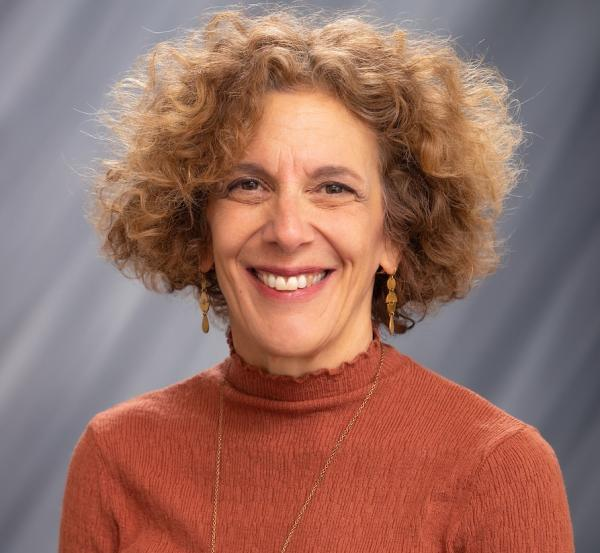
Thank you, Dr. Freedman, for entrusting me with your insightful words. Sharing your article presents an exceptional opportunity,
Des Moines Register.
The above article was contributed to the Des Moines Register by Dr. Freedman.
Dr. Freedman is a Professor in the Educational Psychology, Foundations, Educational Foundations, and Professional Experiences Department at the University of Northern Iowa in Cedar Falls, Iowa. She earned her Bachelor of Arts degree from the University of Delaware and both her Master’s Degree and Ph.D. from the University of Wisconsin-Madison. She studied under and conducted research with Dr. Robert Enright, whom Time Magazine called “the forgiveness trailblazer.” Her dissertation was a landmark study that was published in the Journal of Consulting and Clinical Psychology on Forgiveness with Incest Survivors.
Dr. Freedman’s areas of expertise include the psychology of interpersonal forgiveness, forgiveness education and intervention, moral development, incest and sexual abuse, and early adolescent development. She has presented at numerous national and international conferences on the psychology of interpersonal forgiveness. At the University of Northern Iowa, she teaches a variety of developmental psychology courses, including the Psychology of Interpersonal Forgiveness.
Discover more from Darlene J. Harris
Subscribe to get the latest posts sent to your email.

For me, this definition of forgiveness as a moral virtue rather than just an emotional release is such an important point of view. It adds profundity to something often excessively simplified.
LikeLike
Thank you for your response to the article about forgiveness by Dr. Freedman.
We appreciate your words and thank you for subscribing to the website. We hope you
continue to comment on oue blogs.
LikeLiked by 1 person