

God Let your will be done because you know our faith, our heart and our mind. Thank you.
Author Archives: Darlene J. Harris
Sojourner Truth-My Heroine and My Voice
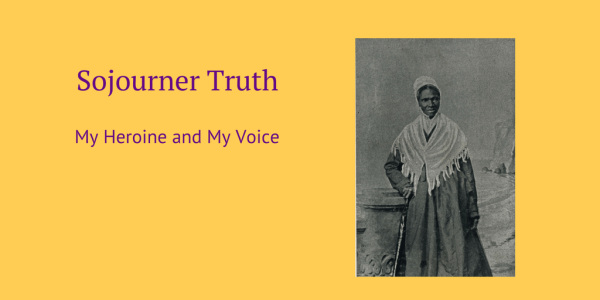
I Sell the Shadow to Support the Substance (Carte de Visite), 1864. New-York Historical Society Library.
Where it all began-when a Black History Week turned into Black History Month.

Rather than seeking acceptance, Dr. Carter G. Woodson chose independence — a decision that would define his life’s work.
What We Get Wrong About Forgiveness – and Why It Matters

Last year, on a flight, I ended up next to someone I knew who told me they had been thinking about me. They were struggling with a painful situation and were waiting and hoping for an apology from someone who had hurt them.
WHAT IS YOUR PURPOSE IN LIFE?

Some say a life without purpose is no life at all! It could be about living without restrictions or simply pursuing one’s desires.
What does healing really look like?

Do you ever question your healing? Do you wonder if healing is possible?
Living Out My Faith

“Your faith can make an impact. God can use your faith and good reputation to draw others to Himself. Pray that God would do this in your life, giving you boldness and helping you live out your faith in a way that is seen by others, and that leads to His praise.” — The PowerContinueContinue reading “Living Out My Faith”
All is Forgiven
How do you show up every day? Have you hurt anyone this week that requires you to reach out to the one who hurt you? Think about it, how hard would it be for you?
The Role of Emotional Validation in Apologies and Forgiveness

The author reflects on a recent incident where they unintentionally hurt their daughter and emphasizes the importance of allowing time for emotional processing after an apology. Genuine healing requires validating feelings rather than expecting immediate forgiveness. The complexity of forgiveness involves understanding emotions and creating a supportive environment that fosters true reconciliation.
A Trip Down Recovery Road

The poem reflects the journey of recovery, illustrating the transformation from darkness to light. It captures the reclaiming of one’s voice, healing of the heart, and the emergence of hope. As one navigates this unpredictable path, self-awareness and compassion foster growth, leading to a renewed sense of peace and a deeper appreciation for life’s beauty.
