

The Battle of Hope vs. Hopelessness
I want to share a dialogue with you that sometimes takes place in our hearts and minds. It is a conversation, a struggle, and a battle between Hopelessness and Hope.
Hopelessness and Hope are two strong characters, each fighting hard to win a battle within us.
Hopelessness speaks
“I will not hide because I live front and center for all to see. Yet your friends and family members will miss the tell-tale signs that reveal my existence. I’m stilling your life right before their eyes.
I will challenge you in all areas of your life. You will covet and never get. You will know what it means to be so close but still not get what you want. I will walk into your dreams and turn them into nightmares.”
Hopelessness speaks with a whisper.”
“I am a never-ending pit where coldness and darkness meet, and I am waiting to bring you to myself. You might as well give up because God doesn’t care about you, nor does anyone else.”
But HOPE enters!
Hope speaks, “NO, hopelessness, you have said enough, and now I have something to say!”
“I am about your future and not your past. I’m about miracles and promises that can come true. I am about the strength and courage that it takes to stand the test. I am about faith and trust, and believing what you may not see at this very moment can, and will happen.
Please hear me because there is an answer to all your questions, but you must understand that I am about waiting too.”
Lastly, Hope says,
“I come with certainty. I come from the God of Abraham, Isaac, and Jacob, whose promises never fail. God said, “I would never leave you, nor forsake you.” He is faithful, and you don’t get to give up on Him!
Hope ushers in PEACE. And Hope WINS the battle!
Hope wins in this scenario, but Hope doesn’t always win. Sometimes hopelessness prevails, and the outcome is unfortunate. For this reason, we need to know in whom we place our Hope.
Like Abraham and Sarah, they were old and beyond childbearing age. But he believed God because God promised Abraham he would be the father of many nations. A miracle by any standards!
“Against all hope, Abraham in hope believed and so became the father of many nations, just as it had been said to him, “So shall your offspring be.” Romans 4:8 (NIV)
Hope is about miracles, the future, certainty, trust, truth, and faith. But for some of us, remembering what Hope is about is extremely hard at times. The path that heals is narrow, bumpy, and hard to travel. But if Hope loses the battle, any belief in a future dies, and what lies just beyond the grasp of your hand is lost. So I urge you with all my heart to hold tight to the unchanging hand of God who gives HOPE and LIFE!
Penned by: Darlene J. Harris
Steadfast Hope
Scripture: Hebrews 10:23
“Let us hold unswervingly to the hope we profess, for He who promised is faithful.”
Reflection:
Hope is not wishful thinking; it is anchored trust in God’s faithfulness. Circumstances may shift, timelines may stretch, and clarity may come slowly, but God remains consistent. Steadfast hope refuses to waver, even when answers are delayed. It holds firmly, not because everything is clear, but because God is sure.
Affirmation: I hold firmly to hope rooted in God’s faithfulness.
Prayer: Lord, strengthen my hope today. Help me remain steady, trust Your promises, and stand firm even when I don’t see the full picture. Amen.
Penned by: Dr. Dwight Webster, Sr.


What is Sexual Abuse?
In honor of Sharon Todd the author
A lot of people do not know what sexual abuse is. RAINN (Rape, Abuse& Incest National Network) defines abuse as when a perpetrator intentionally harms a minor child physically, psychologically, sexually or by acts of neglect. Sexual abuse comes in many forms: child sexual abuse is sexual activity with a minor by an adult. A minor child cannot consent to any form of sexual activity. Sexual abuse can have lifetime effects. The victim can have trouble relating to other people who want to help.
RAINN defines sexual abuse as:
- Obscene phone calls, text messages, or digital interaction
- Fondling
- Exhibitionism, or exposing oneself to a minor
- Masturbation in the presence of a minor or forcing the minor to masturbate
- Intercourse
- Sex of any kind with a minor, including vaginal, oral, or anal
- Producing, owning, or sharing pornographic images or movies of children
- Sex trafficking
- Any other sexual conduct that is harmful to a child’s mental, emotional, or physical welfare
The above items were taken from:
Rape, Abuse & Incest National Network – Official Site https://www.rainn.org
People often wonder what does a perpetrator look like. Nine times out of ten, the victim knows the perpetrator. The perpetrator can be male or female. They have a job as a coach, teacher, family member, or extended member, babysitter, parent of a friend, an older sibling. The victim is told to be quiet because it is a secret between them, or a threat can be made to the victim that harm or death can come to a loved one. The perpetrator can use their position of power against the victim. This can cause the victim not to trust anyone.
All caseworkers have at least one case that always stays with them. For me it is a two-year-old female victim and a fourteen year old male perpetrator who was the older brother.
Case History
The hotline had received a call from the hospital about a 2-year-old female child brought into the ER with her mother. The information given to the nurse was that the child was sitting on her rocking horse and hurt herself as she fell off.
The grandmother notices that her granddaughter’s panties are soaked with blood. The mother had put two sanitary pads, two diapers and two pairs of pants on the child but this did not stop the child from bleeding. She was rushed into surgery. The surgeon’s examination was that the vaginal wall had puncture wounds and that the cervix had also been wounded. The little girl vagina, cervix, and other parts were repaired. The mother and grandmother were told by the surgeon that if they had not brought the child into the hospital the child would have died from the blood loss. They were also told that the child would never be able to have children. The doctor felt that someone close to the child had caused these injuries.
The police officer and I met with the children (the two-year-old girl and the fourteen-year-old boy) separately as well as with the mother and grandmother separately. No one knew how this had happened to the child. I noticed that the little girl looked scared. I motioned for her to come and talk to me. She came to me and held on to me as I was talking to her. I told her that the police officer and I would make sure that nothing else would happen to her. She started crying and I hugged her. I asked her to point at the person who had hurt her. The two-year-old pointed to her fourteen-year-old brother. The police officer was talking to the mother and grandmother about the case and what would happen. I interrupted the conversation between them to inform the officer what the child had disclosed and that the fourteen-year brother was the perpetrator. The brother was arrested and taken to Juvenile jail.
A court hearing was held and the mother gave a statement to the judge. The statement was that she wanted her son to stay at the locked residential complex that was three miles from her home instead of a juvenile prison. The judge asks the mother how many children she had. She stated she had seven children. The two oldest children ages 17 and 18 were in prison for dealing drugs in California. She told the judge that she was on assistance as she was crying for her son who had digitally penetrated the two-year-old child with pencils, pens, scissors and small knives. I informed the judge that Children’s Services had two recommendations 1.) were that the fourteen-year-old son goes to prison. 2.) and engage in counseling along with receiving other services that might help him. The judge was also informed about the procedures Children’s Services would take. The case would transfer to a caseworker who would monitor the family and engage the family in therapy.
I met with the fourteen-year-old perpetrator and ask him why he chose the two-year-old. He explained that he was sexually abused in the butt by his father’s girlfriend’s son. He went on to say that the father the girlfriend were told about what had happened to him. The father became outraged calling him a liar and disciplining him. Shortly after that, the fourteen was sent to Ohio to live with his mother, and grandmother, and his other siblings. I asked again why he chose the two-year-old? His response was he knew she wouldn’t say anything. After further discussion, I learned he was mad because the two-year-old had received all of their mother’s attention.
The fourteen-year-old didn’t care about the pain he was inflicting on his baby sister and besides he told her not to say anything because somebody would be hurt.
If you or someone you know is being sexually abused tell someone. If the first person does not believe you then tell another person. Keep telling someone until someone believes you and seeks help from the police.
Every county has a hotline that allows you to report allegations of sexual abuse.
Agencies providing services to Survivors:
- National Child Sexual-Abuse Helpline: 1-866-367-5444 Darkness to Light http://www.d2l.org
- National Center for Missing and Exploited Children 1-800-843-567 https://www.missingkids.org
- 911 is also an available resource for help
- Your church may have groups or can provide a referral to a counselor they trust
ACTION STEPS General public and survivors
You, the reader can donate to the above organization to help find children or fund the critical outreach and prevention programs.
These are support programs that the victim can participate in and rise to become a victor and no longer be a victim.
Brief Bio
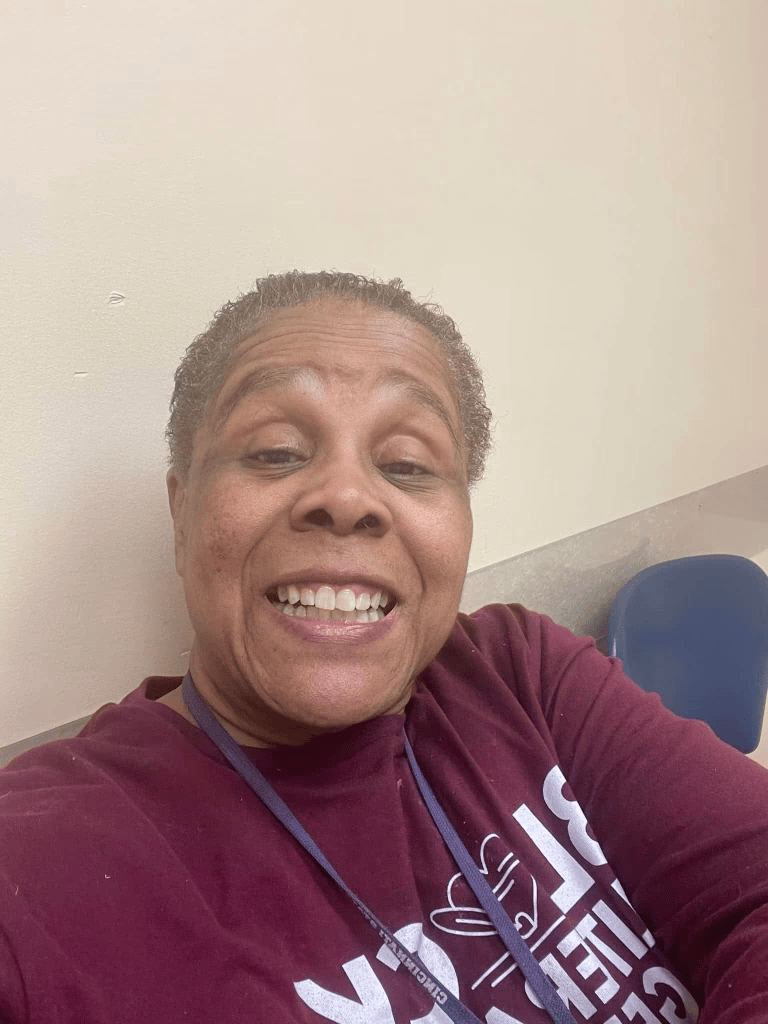
Sharon Todd was a social worker for Hamilton County Children Services Department. She dedicated over twenty-one years of services as a caseworker. Serving for eight years in the Department of Investigations where she worked with families that had allegations of sexual abuse, physical abuse, neglect and dependency. Sharon served seven years working with teens in long-term foster care and six years working with families that needed monitoring. She passed August 13, 2026. My condolence to the family.

Trusting the Process
Scripture: Romans 8:28
“And we know that in all things God works for the good of those who love Him…”
Reflection:
Not everything makes sense in the moment, but that doesn’t mean it lacks purpose. Trusting the process means believing that God is working even when you cannot see the full picture. Growth, healing, and clarity often unfold over time. This season invites you to release the need to figure everything out and instead rest in the assurance that God is weaving it all together for good.
Affirmation: I trust that God is working in every part of my journey.
Prayer: Lord, help me trust You when I don’t understand. Give me patience in the process and confidence that You are working all things together for good in my life. Amen.

Dr. Dwight Webster, Sr., Chaplain

Finding Courage in Uncertainty
Courage to Continue
This is my verse, my desire, and my prayer for today. What is your?
Scripture: Deuteronomy 31:6
“Be strong and courageous. Do not be afraid or terrified… for the Lord your God goes with you.”
Reflection:
Some days, courage looks dramatic, but most days it looks like simply continuing. Continuing to trust. Continuing to show up. Continuing to move forward even when clarity is incomplete. Courage is not the absence of fear; it is the decision not to let fear lead. God’s presence gives you the strength to keep going, even through uncertainty.
Affirmation: I move forward with courage because God is with me.
Prayer: Lord, give me courage for today. Strengthen me where I feel uncertain, steady me where I feel weak, and remind me that I never walk alone because You go before me and beside me. Amen.
Dr. Dwight, Thank you for your encouragement

A Prayer for You and Me
Heavenly Father,
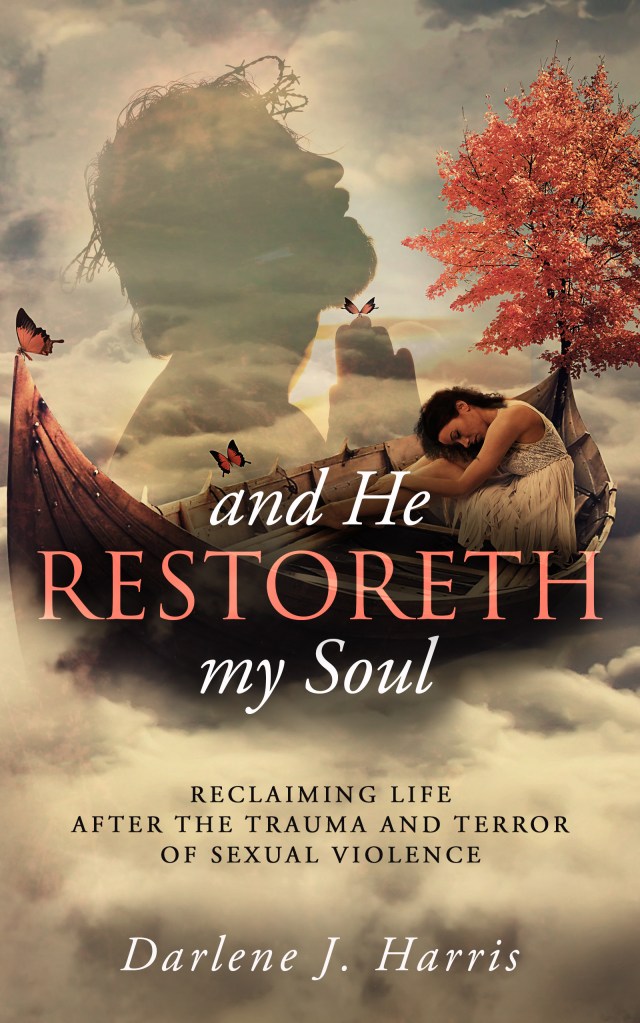
We come before You today on behalf of Darlene, thanking You for her life, her strength, and the many lives she has touched through her ministry, her compassion, and her willingness to help bring healing to others. Thank You for the work You have allowed her to do through her book, And He Restoreth My Soul: An Extensive View of Sexual Violence and Its Impact on Survivors and Society, and for the encouragement, awareness, and hope it has brought to so many.
Lord, You know the journey she is now facing as she battles cancer, and we ask for Your healing hand, Your peace, and Your sustaining grace to rest upon her each day. Strengthen her physically, encourage her emotionally, and uphold her spiritually through every treatment, every appointment, and every moment along the way.
Grant wisdom to every doctor, nurse, and medical professional involved in her care, and let every treatment and procedure work according to Your will. Surround her with loving family, faithful friends, and continued prayers and support.
We also pray for everyone reading this message. May we be reminded that You are still a God who heals, comforts, restores, and carries Your people through difficult seasons. Let hope rise above fear, faith rise above discouragement, and peace rise above anxiety.
Thank You, Lord, for Darlene’s voice, her testimony, and her heart for helping others find healing spiritually, emotionally, and mentally. Continue to strengthen her and let Your presence be very near to her in this season.
In Jesus’ name, amen.
Pastor E. Joshua Sims MDiv
Renewed Life Church

Since 1998, Pastor Josh has faithfully provided spiritual leadership and guidance to a devoted congregation whose chief aim is to glorify God.
His ministry journey has included three visits to the Holy Land, where he has preached on the Sea of Galilee, in the Upper Room, and on Mars Hill.
Pastor Josh earned a Bachelor of Arts in Psychology from Biola University, graduating Summa Cum Laude. He also completed a Master of Divinity in Pastoral Counseling from Liberty University’s John W. Rawlings School of Divinity, graduating Summa Cum Laude with a 4.0 GPA.
He is currently pursuing a Ph.D. in Applied Apologetics at Liberty University, continuing his commitment to theological depth and equipping the church to stand firm in truth and grace.

WITHOUT A TRACE
WE ENTER INTO THIS WORLD CRYING, FRIGHTENED, AND HELPLESS.
WHEN WE LEAVE THIS WORLD, OTHERS
THAT WE LEAVE BEHIND, WEEP, AND FEEL DESPAIR.
YET WE LEAVE WITHOUT A TRACE…
SOME ARE BORN WITH SILVER SPOONS,
OTHERS ARE BORN WITH NOTHING,
WHETHER RICH OR POOR, IT DOESN’T MATTER.
THEY ALL LEAVE WITHOUT A TRACE.
SOMETIMES THE FIRES OF SUCCESS BURN HOT AND BRIGHT.
THE WELL-KNOWN AND FAMOUS SHINE LIKE A BEACON,
UNNOTICED AND UNCARING.
THEY ALL LEAVE WITHOUT A TRACE.
WE ALL MUST WALK ALONG THE BEACH OF LIFE
AND AS WE WALK, WE LEAVE BEHIND OUR FOOTPRINTS,
BUT AS THE WINDS OF TIME BEGAN TO BLOW,
OUR FOOTPRINTS ARE SLOWLY BLOWN AWAY
WHILE THE MEEK, THE HUMBLE, AND THE HAVE-NOTS TOIL ON,
LEAVING NO SIGN THAT WE HAD WALKED THAT WAY
AND THAT IS HOW LIFE WORKS, AT AN APPOINTED TIME.
WE ENTER AND EXIT THIS WORLD.
…YET WE LEAVE WITHOUT A TRACE.

Pinned by: Byrdean Cosby for her brother, Eddie Cosby, who served us well.
In honor of those who walked the beaches and touched the great blue sky, all in order to protect and serve you and me!
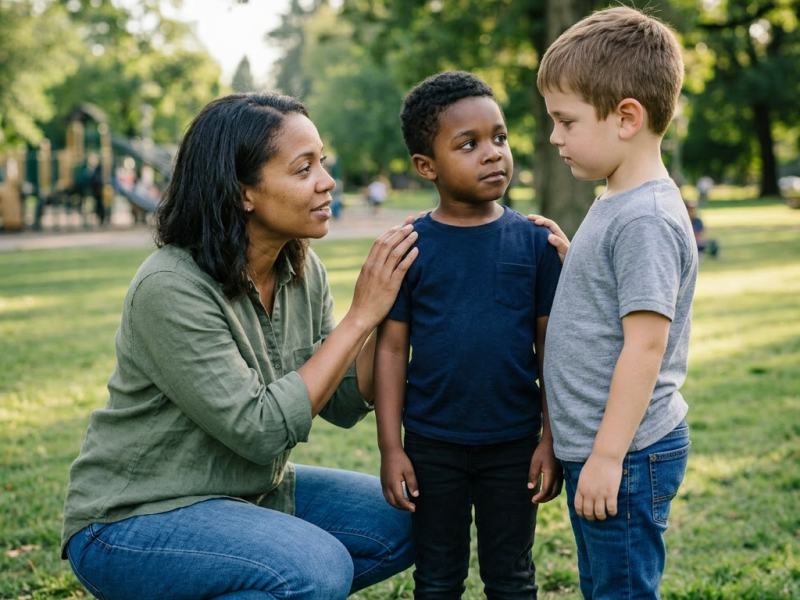
What We Get Wrong About Teaching Kids to Apologize and Forgive
Too often, parents and teachers try to force kids to apologize and forgive. But research suggests there’s a better way that will make a deeper, more lasting impact. By Suzanne Freedman | April 27, 2026
FacebookBlueskyLinkedInEmailShare
As an expert on the topic of interpersonal forgiveness, it is difficult for me to hear of situations when teachers and parents demand children to apologize and forgive immediately after an offense. Those are often viewed as quick behavioral fixes in situations of conflict or when one individual has been hurt by another. This process often includes instructions such as: “Say I’m sorry, accept the apology, and move on.”

For parents and educators, this solution may feel easy and effective, as it appears to involve restoring social harmony quickly while also teaching children responsibility and compassion. But, although we may believe that we are encouraging moral behavior and helping students feel better, we are actually teaching them that forgiveness and apologies result by simply saying the words without understanding the meaning and process behind these moral actions, according to May Yuan and her colleagues in a 2021 article.
In fact, forgiveness and apology require emotional readiness, perspective-taking, and empathy. According to Emma Kemp and her colleagues, who examined children’s emotional forgiveness in another 2021 study, these skills develop with time and gradually throughout childhood and adolescence. It goes beyond just saying the words, “I’m sorry” or “I forgive you.”
Specifically, forgiveness involves a willingness to abandon one’s right to resentment, negative judgment, and negative behavior toward one’s offender, while fostering the undeserved qualities of compassion, empathy, and goodwill toward the offender. Notice that in this definition, one has a right to resentment and that the offender does not deserve compassion and goodwill because of their hurtful actions—but we give it to them anyway.
Although frequently confused with forgetting, acceptance, condoning, excusing, pardon, and denial of anger, forgiveness is none of these. When we forgive, we decrease our negative thoughts, feelings, and behaviors toward the offender. Over time, we may increase our positive thoughts, feelings, and sometimes behaviors toward the offender. We can also only forgive for the way that we were personally impacted by an offense. Depending on the situation, sometimes forgiveness involves simply wishing the offender well.
Although students are expected to give and receive forgiveness, often on demand, few have been educated on what forgiveness truly means and looks like. In this article, I use quotes from college students who took my interpersonal forgiveness class to illustrate their thoughts about apologies and forgiveness. These highlight how important forgiveness education is for students of all ages. For example, a student in my interpersonal forgiveness class reflected on what she learned about forgiveness and apologies growing up:
When conflicts arose between my sisters and me, we would often say “sorry” simply because it was expected of us or because an adult told us it was the right thing to do, not necessarily because we fully understood the meaning behind the apology. At that age, forgiveness felt more like a routine than a heartfelt process. It was not until I grew older that I began to grasp the deeper emotional and relational aspects of forgiving someone: acknowledging the hurt, understanding their intention, and choosing to let go for the sake of healing and growth.
Many students report similar early lessons in “forgiveness on demand,” which often lead to misconceptions about forgiveness as compliance rather than a process or a choice. They also report that they wish they could have received forgiveness education earlier in their schooling. In a 2024 paper, Corinne Den Hartog discusses her research with teachers, illustrating that forgiveness education can be beneficial for students and that schools can play a critical role in teaching students what forgiveness means and how to forgive, and what effective apologies look like.
Here are my research-based thoughts on how to better teach forgiveness and apologies.
The problem with premature forgiveness and coerced apologies
I began studying interpersonal forgiveness in 1987 as a graduate student at the University of Wisconsin–Madison under the guidance of Robert Enright. At that time, forgiveness was primarily a focus of philosophy and religion and had not been widely examined from a psychological perspective. Our main goal was to define forgiveness as a psychological construct and moral virtue, distinct from concepts such as reconciliation, forgetting, and condoning, and then to clarify what the process entailed.
We developed one of the first comprehensive models of forgiveness, known as the Enright Process Model. The model includes four phases, as described by Robert Enright and colleagues in a 1991 book chapter:
- The uncovering phase, where individuals admit that they were hurt and recognize and explore painful emotions;
- The decision phase, in which the decision to forgive is made after exploring what forgiveness is and is not;
- The work phase, which involves expanding one’s view of the offender, recognizing the offender’s humanity and developing empathy and compassion for them; and
- The deepening phase, in which individuals find meaning, emotional relief, and freedom from resentment.
When parents and educators put pressure on children and adolescents to forgive immediately, both parties feel compelled to skip phases and use scripted words before they genuinely feel remorse or understand their behavior. Research shows that young children can distinguish genuine from coerced apologies, and that forced apologies often fail to reduce negative feelings or may even increase resentment. As Craig E. Smith and his colleagues argue in a 2018 paper:
Coercing your child to apologize is going to backfire. Other kids don’t view that apologizer as likable. The teachable element of having the child apologize has gone away and the goal of the apology prompt—to help your child express remorse, soothe someone else’s hurt feelings, and make your child more likable—is lost.
The other problem with forced situations is that the injured party is pressured to forgive immediately after receiving an apology. Research has illustrated that forgiveness does not usually occur immediately, as it is a gradual process that involves emotional awareness and regulation, moral choice, and cognitive understanding, as discussed in the curriculum. Asking a child to forgive before they’ve had time to process their pain and express their feelings short-circuits important emotional work and teaches them to suppress their feelings instead of understanding, expressing, and then moving beyond them. A student in my forgiveness class related to being pressured to forgive before she was ready:
One thing I really connected with was the reminder that forgiveness takes time. I grew up hearing phrases like ‘just forgive and move on,’ but that never worked for me. Trying to rush it only made me feel like I was failing at forgiveness. Learning that quick forgiveness doesn’t always lead to real forgiveness makes me feel validated. My process was slow, and maybe that’s why it felt real when I finally reached it.
Although parents and educators often want to jump to the last phase of forgiving, peace and reconciliation (if possible), a more effective approach encourages the injured to take as much time as necessary to work through their emotions before forgiving. As discussed in Suzanne Freedman and Eva Chen’s 2023 paper, true forgiveness requires time and self-reflection. It cannot be demanded by others or achieved instantly through words alone. Skipping steps fails to recognize the complexity involved in the process of forgiveness. It also teaches children that forgiveness and relationship repair are more about listening to adults than listening to their hearts.
In our 2010 study on a sample of the general population’s understanding of forgiveness, we found that another common misconception about forgiveness is that one cannot forgive unless they receive an apology from the offender.
 Putting the Science of Forgiveness into Practice. This article is part of a two-year GGSC project on forgiveness, supported by the Templeton World Charity Foundation (TWCF). Learn more on TWCF’s Discover Forgiveness website.
That may be true for reconciliation, but not forgiveness. Forgiveness is something individuals can do all on their own, for their own well-being, without any response from the offender. Forgiveness can sometimes lead to reconciliation between the injured party and the offender, but it does not have to. One may require an apology for the friendship to continue, but if that is not desired or possible, forgiveness can still occur. If we require the offender to apologize before forgiving, we give the offender control and power over our forgiveness and healing.
Uncomfortable emotions and validation
This entire process can involve some powerful and uncomfortable emotions. As psychologist Lisa Damour reminds us, unpleasant emotions are not “bad”; they are normal, healthy, and necessary. She prefers the term uncomfortable emotions to “negative” ones because the latter implies that feelings like anger, sadness, or anxiety are wrong. She writes that “psychological health is not about being free from emotional discomfort, but about having the right feeling at the right time and being able to bear the unpleasant ones.”
 Eight Essentials When Forgiving: Key principles to help you forgive and achieve peace of mind.
As Marc Brackett, founding director of the Yale Center for Emotional Intelligence, explains in a 2025 conversation, our skill in dealing with emotions influences how much success and well-being we can achieve. Educators and parents can nurture this skill by teaching that all emotions are normal and natural, and it is what we do with our emotions that can be considered good or bad. When we teach children that uncomfortable emotions are normal and survivable, we empower students to express, rather than suppress them, a crucial part of forgiveness.
Phase One of Enright’s forgiveness process model helps individuals process their feelings after experiencing hurt from or conflict with another. Having an adult validate their feelings helps children recognize that their emotions are acceptable and important. Without validation, students may learn to suppress and distrust their feelings. As described by Sarah Gonser in a 2022 article, emotional literacy is the ability to recognize, name, and express emotions in healthy ways and is an important part of social-emotional learning.
As child therapist Violet Oaklander emphasizes in her 2007 book, Windows to Our Children, it’s important to help children recognize and express all emotions, including anger. “Anger is an honest, normal feeling,” she writes. “Everyone gets angry. I get angry. You get angry. It’s what we do with these feelings—whether we can accept them, how we express them—that causes all the trouble.”
Unfortunately, children often receive mixed messages about anger. They experience adults’ anger but are discouraged, and sometimes even punished, from expressing it themselves. As a result, they learn to suppress, deflect, or deny anger, which, as Oaklander observes, can become a “hidden block to one’s sense of wholeness and well-being.”
Helping kids choose apology and forgiveness
There is an alternative. When adults validate children’s emotions, they model that forgiveness is not denial of pain, but healthy processing of it. It also teaches children that they can handle their pain and helps them develop resiliency for future challenges.
Consider two seventh-grade students, Amelia and Andrew. During a group project, Andrew made a hurtful comment about Amelia’s presentation skills in front of their classmates. Amelia felt embarrassed and angry, and the teacher told Andrew that he was out of line. After reflecting and discussing with the teacher, Andrew sincerely apologized: “I’m sorry for what I said about you in front of everyone. It was mean, and I shouldn’t have done it.”
 Making Amends for Kids: Help kids consider offering reparations as part of their apologies.
Although Amelia appreciated the apology, she still felt hurt and wasn’t ready to forgive. Instead of insisting she do so immediately, the teacher validated her feelings: “It’s okay that you’re still upset, Amelia. What Andrew said was hurtful, and it’s natural to need some time.”
That simple validation allowed Amelia to process her emotions. Over the next few days, as Andrew treated her with kindness and respect, her hurt subsided. Eventually, when she felt ready, Amelia told Andrew she forgave him. This experience not only repaired their friendship but taught both students that forgiveness takes time and is a personal choice when one feels ready, rather than a response to pressure.
As we see in Andrew’s example, a sincere apology requires acknowledging specific harm, taking responsibility, expressing remorse, and making amends. When these components are present, apologies are associated with reduced anger and greater empathy as found by Andrew Howell and colleagues in a 2012 study on guilt, empathy, and apology. Here is some practical guidance for parents and educators in helping children craft good apologies, as described by Kara Newhouse in a 2023 Mindshift article and podcast:
- Pause and validate. Normalize all feelings. When a child is hurt, start by naming and validating their feelings: “You look really upset. That makes sense—I’d feel angry too if someone did that.”
- Encourage empathy through reflection. Ask the child who caused harm to reflect: “Tell me what happened from your point of view. How do you think that made your _____ feel?” and “What can you do to make amends?”
- Teach a complete apology. Example of structure to use: “I’m sorry for [specific behavior]. I see that it made you feel [hurt/angry/sad]. I will [action to make it right].”
- Avoid forcing closure. Give children time to process their feelings and behavior before asking them to forgive or apologize. Healing does not occur on a timeline. Encourage the injured child to respond honestly: “Thank you for apologizing. I’m still hurt and need more time.”
- Model emotional honesty. Adults can share their own feelings calmly and respectfully. Children will learn that expression of all feelings requires strength, not weakness.
- Celebrate progress, not perfection. Praise effort toward understanding and the development of empathy and compassion, not just compliance with expected behavior.
These steps show that forgiveness is a process and unfolds gradually, not immediately. Children need time to build up their moral muscle and education on forgiveness and effective apologies help children develop these skills—and learn to make their own choices. Children benefit when they understand that forgiveness is voluntary, something they can choose after working through their emotions. As one student in my Interpersonal Forgiveness class emphasizes:
Another thing I would want the educator to be sure to stress is the involvement of choice. Unless it is the hurt party’s willful choice to forgive another, no true emotional or personal healing will start. They will keep harboring the feelings of anger and resentment, without giving them the space to be expressed. Forgiveness happens on our own timelines. No one else can decide how we move through the process.
Forgiveness and apology are powerful, but only when they are sincere and reflect emotional honesty. By teaching children that forgiveness is a process, not an obligation, adults help them develop moral strength and emotional literacy.
About the Author

Suzanne Freedman is a Professor of Human Development in the Educational Foundations and Professional Experiences department at the University of Northern Iowa. She was the recipient of the APA Dissertation Award in 1993 for her groundbreaking research on forgiveness and incest survivors, published in 1996 in the Journal of Consulting and Clinical Psychology. Suzanne has been studying the topic of forgiveness for over 30 years and her publications focus on the psychology of interpersonal forgiveness and forgiveness education with children, adolescents, and adults. She has presented at numerous national and international conferences on the psychology of interpersonal forgiveness. Suzanne Freedman is a contributing writer and researcher for the International Forgiveness Institute. Suzanne Freedman is the author of the curriculum, The Courage to Forgive: Educating Elementary School Children About Forgiveness.
Please see Greater Good Magazine for further information about Forgiving, Apologizing, etc.

It’s Been Like a Roller Coaster and a Whirlwind All In One.
Wrapped up into one. Thus, keeping up with life wasn’t always easy. But life is like that sometimes.
Being diagnosed with cancer in 2025 came with its own highs and lows, along with its set of twists and turns. This diagnosis caught me unaware, and posting articles just didn’t exist.
The lump turned out to be cancer. And doctor after doctor. I test after test. Yes, it has been a roller coaster and a whirlwind, all wrapped up into one. Keeping up with life wasn’t easy.
I mentioned my diagnosis to Dr. Dwight Webster, Sr., and he began to send me affirmations that helped me. I thought I would share them with you.
I hope you feel encouraged by Dr. Webster, Sr.’s words.
He gave me permission to share on my website.
Surrender

Scripture: Matthew 6:10
Reflection: Surrender is not loss; it is trust. When we release control, we make space for God’s wisdom. Lent teaches us that what we place in God’s hands becomes safer than what we clutch tightly ourselves.
Affirmation: I release control and trust God.
Foundation of Faith

Scripture: Hebrews 11:1
Reflection:
Faith anchors what we cannot yet see. It steadies us when clarity is still forming. A faith-centered foundation protects both individuals and relationships from instability.
Affirmation: I remain grounded in faith.
Blessing: May your foundation remain firm and centered in God.
Prayer: Father, root me deeply in You above all else.
Guarding My Mind

Philippians 4:7
Affirmation: I affirm that my thoughts deserve protection. I choose what I allow to shape my thinking.
Prayer: Lord, filter what enters my mind. Renew my thoughts with truth and hope.
Blessing: May clarity guide your thinking. May peace settle in.
Dr. Dwight Webster, Sr., Supervisory Chaplain – Chief Chaplain Service at VA SOUTHERN NEVADA HEALTHCARE SYSTEM.
Sojourner Truth-My Heroine and My Voice
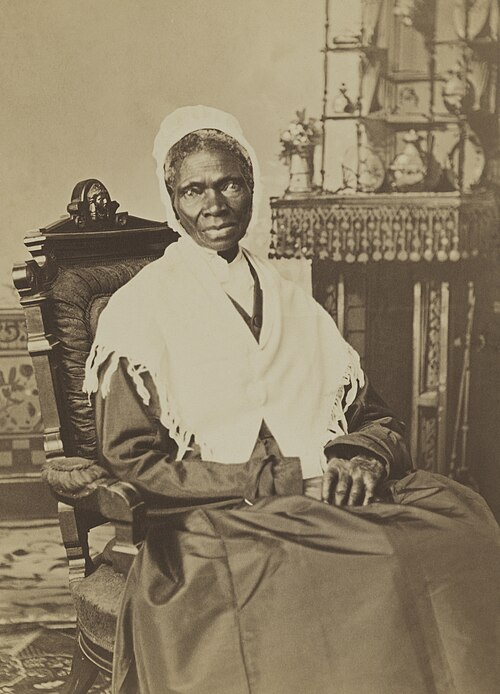
My Heroine, Isabella Baumfree, was born in 1797 to enslaved parents James and Elizabeth Baumfree in Ulster County, New York. After reading about her, it didn’t take long to know she would be my heroine, and it is important to me to reflect as much of her as I can.
“Darlene, you need to find your voice.” Brenda, my coach, explored this idea with me during a session. I love and respect her, but her words were forcing me to confront bringing my emotions into my writing. And emotions aren’t easy for me!
Many writers and speakers talk about ‘finding their voice,’ but this is hard for me. As I pondered, questions like, ‘How and where do I find my voice?’ kept recurring.
My search involved me looking at many writers and websites without any success. What I wanted was a formula: with simple 1, 2, 3 steps, or a method to use. But I found nothing to help me. I continued to think about where to look next and the question, ‘Why do I write and speak?’ This question drew me to another place and time in history.
I thought of the era when women fought for freedom. Freedom for slaves, for voting rights, land, independence, and not like property.
Many women activists in the late 1800s to early 1900s fought for what we enjoy today. One woman, Sojourner Truth. She drew me in. I felt she invited me into her story. She said, “My name is Sojourner Truth,” and she seemed to motion for me to listen.
“Baby, I know what you’re looking for, and I want to give you what I have. The strength and the courage in my voice. The wisdom to know how and when to use my voice, and most of all the willingness to seek God in everything .”
I learned all I could about Sojourner Truth. She was passionate, truthful, strong, and courageous—a woman you’d have to reckon with. Her voice was bold, fearless, and powerful. She embodied traits I admire and a voice I’ve come to love.
In 1851, Sojourner was best remembered for giving the famous speech titled “Ain’t I a Woman” at the Ohio Women’s Rights Convention. Sojourner Truth was winning public opinion. A white publisher altered the text of her speech to make her sound more Southern.
Sojourner Truth, a key abolitionist and women’s rights activist in the 1800s, was born a slave in New York. She lost at least three children to slavery. But she escaped with her infant daughter in 1826. She embraced evangelical religion and joined the reform and abolitionist movements. Her powerful speeches still resonate in the fight for equality. (Editors, 2026)
Sojourner Truth fought for what she believed in. She successfully won the custody of her son and became the first black woman to win a case against a white male. According to a Times Union report, Sojourner Truth was involved in a significant legal case in New York, in which historic court documents detail her efforts to secure her son’s freedom, but there is no evidence that she sued a New York writer for slander and won. Truth is best remembered for her stirring “Ain’t I a Woman?” speech, delivered at a women’s convention in Ohio in 1851. Truth could not read or write; therefore, interpretations were inaccurate. We have no accurate record of her speech. See this link for additional information about Sojourner Truth. https://www.hbook.com/story/reviews-of-select-titles-by-patricia-c-mckissack
Truth spoke about abolition, women’s rights, prison reform, and preached to the Michigan Legislature against capital punishment. Not everyone welcomed her preaching and lectures, but she had many friends and staunch support among many influential people at the time, including Fredrick Douglas, Amy Post, Parker Pillsbury, Frances Gage, Wendell Phillips, William Lloyd Garrison, Laura Smith Haviland, Lucretia Mott, Ellen G. White, and Susan B. Anthony.[63]
Once, a pro-slavery doctor questioned Sojourner’s womanhood and demanded proof. Instead, she exposed her breast to the whole room, declaring, “It is not my shame but yours.” (Liss, 2009) Her confidence met the challenge head-on.
But when I think of Sojourner Truth, I see her confident stature, standing silently and saying, “I dare you.”
After learning about Sojourner, I wondered, “Could I be as strong and as confident as her? Can I find that strength in me?”
Sojourner is an example of strength in the midst of overcoming great pain. She was a woman who deeply cared about the fight that God chose for her.
She endured pain from loss, rejection, love, and injustice before God brought her to the FIGHT. Yet, Sojourner Truth stayed humble, never lost her purpose, and kept her voice strong to the end.
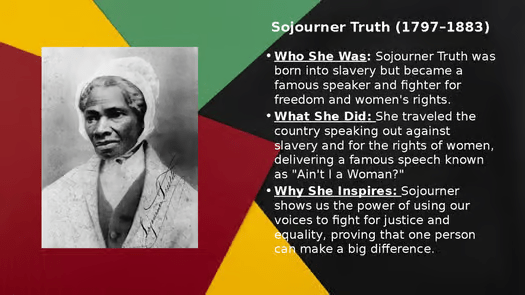
Sojourner Truth made a difference in my life. She motioned me closer as she did from the start, inviting me not only to listen to her voice but to use her voice.
Who is in your life?
- Sojourner has been a mentor, though I never met her. Do you have a Sojourner Truth in your life? You may know your calling, but is God wanting to take you deeper into the calling He has given you?
- Do you have a Brenda who wants to see you be successful in life?
- What does your inner circle look like?
- Are they willing to stand in the gap for you?
These people have been instrumental in my life. Are you pursuing people who encourage and inspire you?
Truth died early in the morning on November 26, 1883, at her Battle Creek home.[64] On November 28, 1883, her funeral was held at the Congregational-Presbyterian Church, officiated by its pastor, the Reverend Reed Stuart.
Frederick Douglass offered a eulogy for her in Washington, D.C. “Venerable for age, distinguished for insight into human nature, remarkable for independence and courageous self-assertion, devoted to the welfare of her race, she has been for the last forty years an object of respect and admiration to social reformers everywhere.”[66][67]
Sojourner Truth’s Legacy (see https://en.wikipedia.org/wiki/Sojourner_Truth}
In 1997, The NASA Mars Pathfinder mission’s robotic rover was named “Sojourner”.[108] The following year, S.T. Writes Home[109] appeared on the web offering “Letters to Mom from Sojourner Truth”, in which the Mars Pathfinder Rover at times echoes its namesake.
In 2014, the asteroid 249521 Truth was named in her honor.[111]
In 2002, Temple University scholar Molefi Kete Asante published a list of 100 Greatest African Americans, which includes Sojourner Truth.[110]
On September 19, 2016, the U.S. Secretary of the Navy Ray Mabus announced the name of the last ship of a six-unit construction contract as USNS Sojourner Truth (T-AO 210).[113] This ship will be part of the latest John Lewis-class of Fleet Replenishment Oilers named in honor of U.S. civil and human rights heroes currently under construction at General Dynamics NASSCO in San Diego, CA.[114]
Resourcestaken from the following websites:
Reviewed in the March/April 1993 issue of The Horn Book Magazine. https://www.hbook.com/story/reviews-of-select-titles-by-patricia-c-mckissack
History.com http://www.history.com/topics/black-history/sojourner-truth+
Hbook.com Patricia and Fredrick McKissackshttp://www.hbook.com/1994/01/authors-illustrators/patricia-c-mckissack-and-fredrick-mckissacks-1993-bghb-nf-speech-for-sojourner-truth-aint-i-a-woman/
Internet Modern History Sourcebook: Sojourner Truth: “Ain’t I a Woman?”, December 1851 http://sourcebooks.fordham.edu/halsall/mod/sojtruth-woman.asp
Isabella Baumfree was born in 1797 to enslaved parents James and Elizabeth Baumfree in Ulster County, New York. https://wams.nyhistory.org/a-nation-divided/antebellum/sojourner-truth/
Sojourner Truth House is a charity http://sojournertruthhouse.org/index.php/about-us/sojourner-truth
Life Story: Sojourner Truth (ca. 1797-1883) https://wams.nyhistory.org/a-nation-divided/antebellum/sojourner-truth/
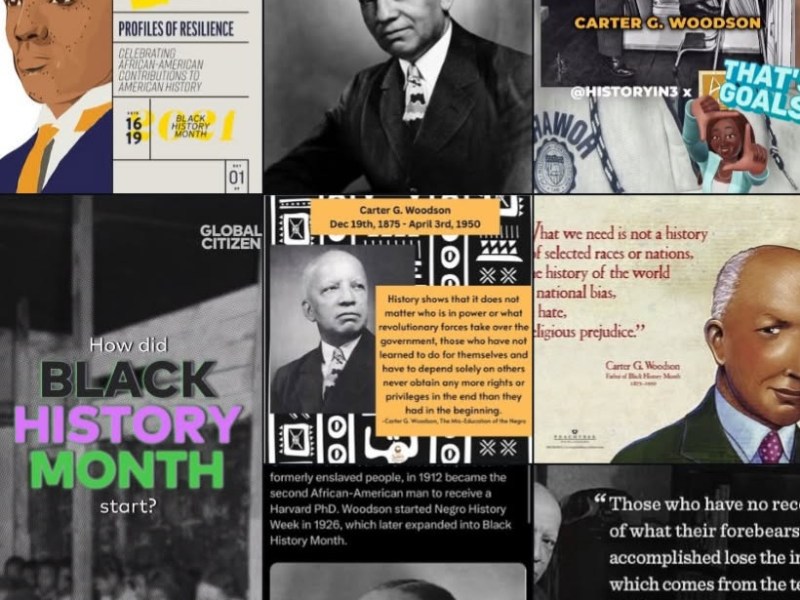
Where it all began-when a Black History Week turned into Black History Month.
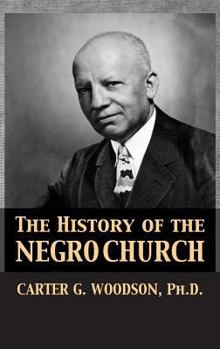
Dr. Carter G. Woodson, Advocate, Author, Journalist, and Teacher
Dr. Carter Woodson was a prominent African American historian, author, and journalist, often referred to as the “Father of Black History.” Born in 1875 in Virginia, he dedicated his life to the study and promotion of African American history and culture. He was one of the first scholars to study black history formally and founded the Association for the Study of African American Life and History in 1915. Woodson emphasized the importance of understanding African American history and its role in American history. He also established Negro History Week in 1926, which eventually evolved into Black History Month, celebrated each February. Despite facing racial discrimination and exclusion from mainstream academic institutions, Woodson’s work laid the foundation for future generations of scholars and played a crucial role in the recognition of African American contributions to history.
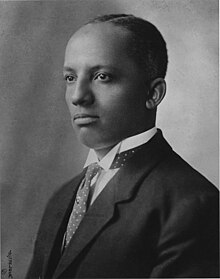
Carter Godwin Woodson (December 19, 1875 – April 3, 1950) was an American historian, author, journalist, and the founder of the Association for the Study of African American Life and History (ASALH). He was one of the first scholars to study the history of the Black African diaspora in the United States. A founder of The Journal of Negro History in 1916, Woodson has been called the “father of Black history.”
Woodson was an important figure to the movement of Afrocentrism, due to his perspective of placing people of Sub-Saharan African descent at the center of the study of history and the human experience.
Rather than seeking acceptance, Dr. Woodson chose independence — a decision that would define his life’s work.
Dr. Woodson was troubled by the direction that history was being taught. It was either denying or minimizing Black’s contributions to history; it was a deliberate use of power.
Woodson did not ask permission to tell the truth. He understood that history is not neutral — it reflects power, choice, and voice. By insisting that Black history be researched, taught, and respected, he changed not only what was known but who was allowed to know it.
Black History Month, at its best, is not a pause from the curriculum, but a challenge to expand it. That challenge began with Woodson — a scholar who refused to let history forget.
Woodson believed and stated, “It is not so much a Negro History Week as it is a History Week. We should emphasise not Negro History, but the Negro in History. What we need is not a history of selected races or nations, but the history of the world void of national bias, race hatred, and religious prejudice.”
Have we reached the goal that Dr. Carter G. Woodson desired?
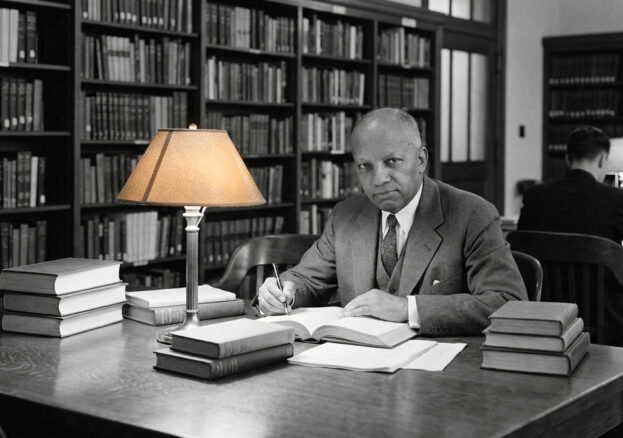
These are some of the takeaways from the article about Dr. Carter G Woodson. I thought they might be worth listing.
1. Dr. Carter G. Woodson is known as the father of Black History Month.
2. Dr. Woodson’s Work challenged mainstream narratives and promoted the study of Black history.
3. His legacy continues to influence how Black history is taught and understood.
References-
Carter Godwin Woodson – https://en.wikipedia.org/wiki/Carter_G._Woodson
Dr. Carter G. Woodson: The Historian Who Refused to Let History Forget – https://www.blackhistorymonth.org.uk/article/section/opinion/dr-carter-g-woodson-the-historian-who-refused-to-let-history-forget/
Woodson wrote 51 books, excluding contributions to anthologies. And 34 non-fiction books, 15 books in the Journal of Negro History Series, and 1 book in the Oshun Publishing African-American History Series.



What We Get Wrong About Forgiveness – and Why It Matters
Last year, on a flight, I ended up next to someone I knew who told me they had been thinking about me. They were struggling with a painful situation and were waiting and hoping for an apology from someone who had hurt them. That apology never came. As we talked, I was reminded how often people feel stuck in their pain simply because they believe forgiveness depends on the actions of someone else. It doesn’t.
I teach a course on interpersonal forgiveness at the University of Northern Iowa, and one of the most common misunderstandings my students bring into class is the belief that forgiveness requires an apology. While apologies can make forgiveness easier, they aren’t necessary, and often, they don’t appear. More importantly, they are completely outside the injured’s control.
A second major misconception is that forgiveness automatically leads to reconciliation. Many people avoid forgiving because they fear it means resuming a relationship with the person who harmed them. But forgiveness and reconciliation are separate. Forgiveness is something you can do on your own; reconciliation requires trust, safety, and meaningful change from the offender. You can forgive someone without ever speaking to them again.
One aspect of forgiveness many people never consider is that forgiveness is a moral virtue. To forgive is not just to let go of anger; it is to recognize the humanity of the person who hurt us. This does not mean excusing harm or minimizing our pain. Instead, it involves “reframing” or looking at the situation with new eyes and understanding that people are more than their worst behaviors.
Reframing helps us expand our perspective: What might have been happening in the offender’s life? What pressures, insecurities, or past wounds may have shaped their choices? These reflections don’t excuse or erase the offense, but they deepen our understanding of how the harm occurred. As I often tell the fifth graders I work with, “It’s easy to be kind to people who are kind to us. It’s harder to be kind to people who aren’t. That’s radical kindness” or, as the fifth graders like to call it, “raging kindness”.
Forgiveness is one path toward healing. It involves acknowledging our pain, expressing our anger and other uncomfortable emotions in healthy ways, and gradually developing empathy for the offender, not because they deserve it, but because holding onto resentment often prolongs our suffering. When we forgive, we put goodness and compassion into the world in a way that can transform us, the offender (sometimes), and the greater community.
What forgiveness does not mean is forgetting the offense, pretending it didn’t happen, or abandoning justice. Forgiveness and justice can co-exist. You can forgive someone and still hold them accountable.
Forgiveness is not quick or easy. It takes time, courage, and emotional effort. It requires facing our hurt rather than avoiding it. But it is possible, even without an apology, even without reconciliation, and even when the other person never knows we forgave them.
One of my online students captured this well when they wrote: “Forgiveness is a process, and it takes practice to perfect it. I love golf, and it is very challenging, but I won’t succeed without understanding how it works and practicing it. The same thing goes for forgiveness… if you understand the process and what forgiveness means, it will be a lot easier to do and you will ultimately be more successful in doing so” (personal communication, November 2023).
Forgiveness can be harmful when one is pressured to forgive for any reason. When freely chosen, forgiveness is a form of self-care and moral growth, that includes self-respect and compassion, not duty or obligation. When viewed as a moral process that includes choice, emotional healing, and empathy for the offender, forgiveness is a powerful tool for resilience, healing, and care for others
If you’d like more resources on forgiveness or the forgiveness process, feel free to contact me at freedman@uni.edu.
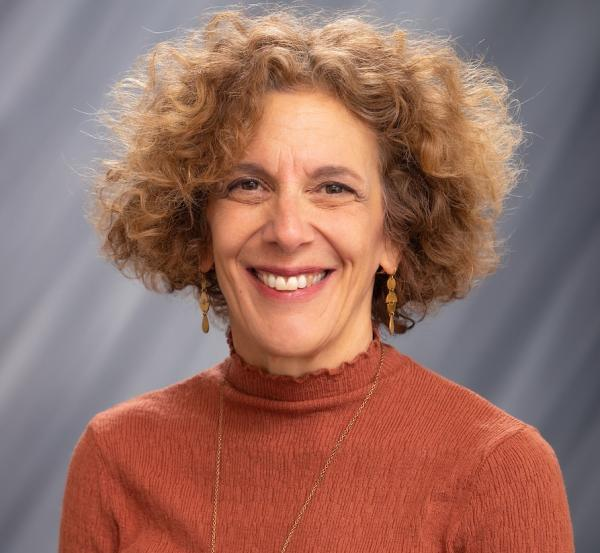
Thank you, Dr. Freedman, for entrusting me with your insightful words. Sharing your article presents an exceptional opportunity,
Des Moines Register.
The above article was contributed to the Des Moines Register by Dr. Freedman.
Dr. Freedman is a Professor in the Educational Psychology, Foundations, Educational Foundations, and Professional Experiences Department at the University of Northern Iowa in Cedar Falls, Iowa. She earned her Bachelor of Arts degree from the University of Delaware and both her Master’s Degree and Ph.D. from the University of Wisconsin-Madison. She studied under and conducted research with Dr. Robert Enright, whom Time Magazine called “the forgiveness trailblazer.” Her dissertation was a landmark study that was published in the Journal of Consulting and Clinical Psychology on Forgiveness with Incest Survivors.
Dr. Freedman’s areas of expertise include the psychology of interpersonal forgiveness, forgiveness education and intervention, moral development, incest and sexual abuse, and early adolescent development. She has presented at numerous national and international conferences on the psychology of interpersonal forgiveness. At the University of Northern Iowa, she teaches a variety of developmental psychology courses, including the Psychology of Interpersonal Forgiveness.

WHAT IS YOUR PURPOSE IN LIFE?
Some say a life without purpose is no life at all! It could be about living without restrictions or simply pursuing one’s desires. But I can say, I do not want to die, never accomplishing the purpose God had when He created me! So, what is your purpose in life?
Discovering my purpose
I never really thought about my purpose in life or how it would manifest itself after becoming a victim of sexual assault. Having someone to care enough to encourage you because of what they see in you is fantastic. Other people see us differently from the way we see ourselves. I wanted to hide after that horrible experience. Becoming a volunteer was the furthest thing from my mind, but not from the purpose God had in store for me.
I still question myself. Could I help someone who was hurting? Would the survivor be willing to get help from a Black volunteer, especially if a Black person was the assailant? So many thoughts crossed my mind.
But now, I have 25 years of experience in the crisis prevention industry. Volunteering is where I embraced my calling to serve. It is funny how God works.
My role as a volunteer
- Accompanied the survivor through a medical examination and an interview by the police.
- Walked the survivor through the court process if the case went to court.
- Joined the speaker’s bureau, where students learn about sexual assault and how it changes lives.
- Spoke with community members, the city council, and churches.
- Walked victims through their exams and the police interview.
I left this area where I volunteered, but by then, I knew I was to start a ministry that would support the abused. I was not sure how this would play out, but that was the task set before me.
I could not quit now even if I wanted to; this is one of the signs you see when looking for your calling.
My leap of faith
As a result of my leap of faith into my purpose, I have achieved the following:
- Darlene J. Harris: Speaking from the Heart Ministry
- Leader of the Women’s Ministry at Community Bible Church, overseeing 400 women.
- Author of And He Restoreth My Soul, an anthology with over 30 people participating. Professional Interview with The Ventura County: L.A. Times.
- Professional interview with the California radio station KKLA.
- Organizing and developing retreats and workshops for various women’s ministries.
- Started “Cura Ministry” for domestic violence in my church.
It does not take a horrendous act such as rape for one to discover a purpose in life, but God needed someone for this purpose. It was me!
Romans 28 (NASB)And we know that God causes all things to work together for good to those who love God, to those who are called according to His purpose.
Resource
https://www.biblegateway.com/passage/?search=Romans%208%3A28&version=NASB

What does healing really look like?
Speaking from my own experience as a survivor of childhood sexual, spiritual, and physical abuse, this is an essential question for me. Ever since I realized I had baggage I needed to deal with, I’ve thought many times about this question. I’ve been in what I consider the recovery process for a long time. And now and then, I feel like I’ve achieved some breakthrough. I would sigh and say, “Finally, that’s over. Now I can move on.” Only to discover that this onion has another layer that needs to be peeled back and dealt with.
It was disappointing, and that’s putting it mildly. I would cry, be angry, and irritable, or both. Finally, I accepted that the journey must continue and embraced this new issue with resolve and determination, albeit reluctantly.
Once again, I would ask God, myself, and whoever was available, how long it would be before I am healed?
And that’s the thing. We all want a quick fix. But we didn’t get this way overnight. I sure didn’t. I suffered for decades from abuse, and those decades came with consequences. Not only do I need to deal with the damage to me. I also need to work through the damage I caused others. Which, at times, seems worse.
So, here’s what I think. It’s kind of like this. Children are like wet cement. They come out each with their own bent. As parents, we try to shape that bent to be as straight as possible. So, for their own sake, they can live reasonably happy lives as adults. The cement is pretty smooth, and any defects are hardly noticeable. But sooner or later, as in my case, something or someone damages the surface. Maybe a kid rides his bike across it, leaving deep tracks. Some uncaring individual just stomps through it with combat boots.
Who knows, but the point is the surface gets gouged out. Now, using that same analogy, when the children are young, the cement is still wet or hasn’t completely set. It can be smoothed out and leveled, and you can hardly notice that anything was ever bent. But! If you wait too long, it will be a lot of work to sandblast the edges. It will also take a lot of effort to fill in the cracks. Even then, it is evident to the casual observer that damage has been done. And if left untreated, the surface will be challenging to navigate.
So, back to the original question. If I’m so messed up, and nothing has been done to help me. Now that I’m 40 years old, I can’t understand why nothing seems to work in my life. What do I do?
Well, there are drugs, alcohol, and sex, which will only make things worse and make me unbearable. Or, there’s therapy. It can help me understand why I am the way I am. Therapy can also give me some healthy options to compensate for my issues.
But that only works with behaviors. I want to heal. To do that, I need to tackle the whole person: body, soul, mind, and spirit. The body can be addressed with sleep, exercise, and healthy nutrition. The soul needs to deal with the innate bent toward self. The mind must adjust its attitude toward life and other relationships with work and play in the community. But I suspect the spirit is where some real progress toward healing can happen. Let me explain why.
As I’ve mentioned before, we come into this world with a natural bent toward selfishness and rebellion. No, you say? Then you have never tried raising a child. You never have to teach a child to be selfish, stubborn, greedy, or lying. But you do have to teach them to be unselfish. You must teach them to be more cooperative. They need to show compassion to others. It’s essential to teach them to be honest and truthful.
This part is the human heart or spirit. It has to be healed first, and then the rest is so much easier to encourage.
I grew up being taught about God, love, and forgiveness. While I was being abused, I never forgot how to connect with God. He helped me through the horrible times because I kept coming back to the truth of God’s love for me. The Holy Spirit kept urging me toward better attitudes. He encouraged me to adopt healthier behaviors. Despite all of this, I tended to deal with the damage in unhealthy ways.
So, here I am today. I still have all the scars. I can point to all the damage and its effects on me. But yet there is a peace about it. I have all the memories still. But the sting of them is gone. I view them as photographs of different moments in my life. Sometimes there is sadness. Sometimes there is regret. But there is no wish to medicate with substances or unhealthy behaviors anymore. I’ve made peace with as many as I can. I’ve made peace with myself. I’ve made peace with my abusers. My anger has subsided to a manageable level now.
Sometimes I can still be triggered by something I’m watching or reading. Sometimes it’s a person whose actions or words can affect me. But my reactions are better controlled, and I know what is happening and why.
I’m still me, just different and comfortable in my skin at last. Am I the person I’ve always wished to be? No, not at all, and that’s okay. I’m loved and accepted, and I know I’ll be OK. I have a wife who sometimes doesn’t like me but loves me, knows me, and accepts me, flaws and all. For me, that’s as good a definition of healing as I have hoped for.
Just my thoughts.
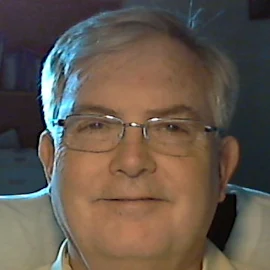
Roger Mann draws from his own journey to help others navigate the challenges of trauma and addiction. Roger has over 45 years of experience in the medical field. He brings both professional knowledge and personal insight to his work. Through compassion and lived understanding, Roger supports people in finding hope and building healthier futures. His mission is driven by a belief in the power of resilience and the possibility of transformation.
Welcome to Darlene J. Harris’ Website.

Living Out My Faith
“Your faith can make an impact. God can use your faith and good reputation to draw others to Himself. Pray that God would do this in your life, giving you boldness and helping you live out your faith in a way that is seen by others, and that leads to His praise.”
— The Power of the Gospel: A Year in Romans by R.C. Sproul
Most of you do not know that I was diagnosed with breast cancer in March of 2025. And have you heard God’s Spirit speak to you, telling you it is cancer, but you will be all right?
The one thing I knew was if He was speaking that loud to me, I should listen. It is not like I had not heard that voice before. He walked with me every step of the way. When something new was about to happen, His Spirit was right with confirming His word!
I wanted to represent God’s power in everything that happened to me and in me. I have failed, so don’t be misled. But when I hear his voice that clear. Obedience is the goal, as it was all the other times. Furthermore, I have not had cancer before, so I needed to listen and follow!
People who were close to me knew what I was going through. They commented on how well I was handling everything without complaining. Even the doctor commented. I still had a good sense of humor. These comments meant everything to me.
Because it meant I knew it was God and not me. It also meant that I did not betray the prayers of many people.
I feel good! I’m ready to get back to some of the things I love doing. Most importantly, I will remember this. When we exclaim, “Have faith and believe in God,” we do not know the impact our words have. And we do not know who is watching.
I’m glad to share my heart with you in hopes that you will remember someone is always looking.
Darlene J. Harris
Serving at His Pleasure

All is Forgiven
Ernest Hemingway once wrote a short story called “The Capital of the World.”¹ In it, he told the story of a father and his teenage son who were estranged from one another. The son’s name was Paco. He had wronged his father. As a result, in his shame, he had run away from home.
In the story, the father searched all over Spain for Paco, but still, he could not find the boy. Finally, in the city of Madrid, in a last desperate attempt to find his son, the father placed an ad in the daily newspaper.
The ad read: “PACO, MEET ME AT THE HOTEL MONTANA. NOON TUESDAY. ALL IS FORGIVEN. PAPA.”
The father in Hemingway’s story prayed that the boy would see the ad; and then maybe, just maybe, he would come to the Hotel Montana. On Tuesday, at noon, the father arrived at the hotel. When he did, he could not believe his eyes.
An entire squadron of police officers had been called out in an attempt to keep order among eight hundred young boys. It turned out that each one of them was named Paco. And each one of them had come to meet his respective father and find forgiveness in front of the Hotel Montana.
Eight hundred boys named Paco had read the ad in the newspaper and had hoped it was for them. Eight hundred Paco had come to receive the forgiveness they so desperately desired.
¹The above is one of the short stories written by Ernest Hemingway in the book “The Capital of the World.”

The author continued his forays into Africa and sustained several injuries during his adventures, even surviving multiple plane crashes.
In 1954, he won the Nobel Prize in Literature. Even at this peak of his literary career, though, the burly Hemingway’s body and mind were beginning to betray him. Recovering from various old injuries in Cuba, Hemingway suffered from depression and was treated for numerous conditions such as high blood pressure and liver disease.
He wrote A Moveable Feast, a memoir of his years in Paris, and retired permanently to Idaho. There he continued to battle with deteriorating mental and physical health.
Early on the morning of July 2, 1961, Ernest Hemingway committed suicide in his Ketchum home.
Legacy Hemingway left behind an impressive body of work and an iconic style that still influences writers today. His personality and constant pursuit of adventure loomed almost as large as his creative talent. Biography of Ernest M Hemingway
Do not copy. Used only for spiritual educational enlightenment.
Welcome to Darlene J. Harris’ Website.
The Role of Emotional Validation in Apologies and Forgiveness
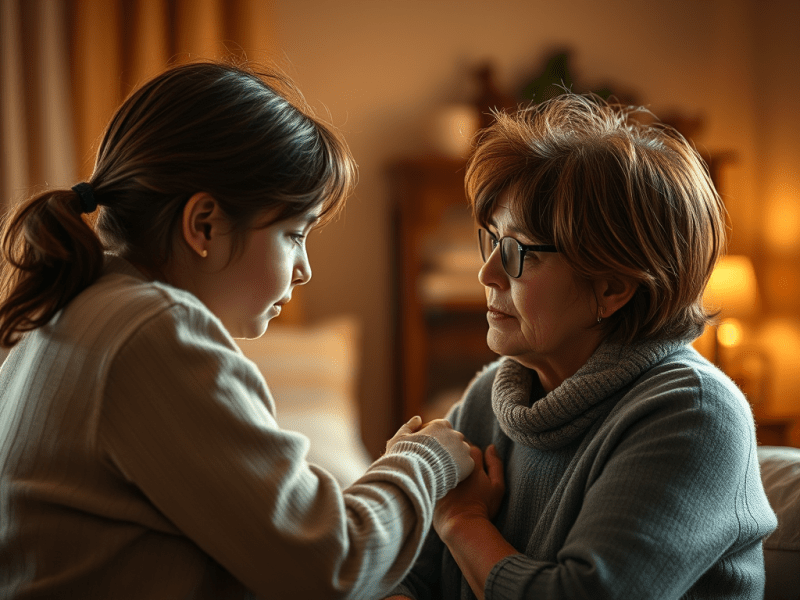
I did something to hurt my daughter the other day. It was unintentional, but she was angry and hurt, and she had a right to her feelings. When she shared her emotions with me, I realized that my actions were wrong. I felt bad about what I had done; I apologized and assured her that it would not happen again. However, I apologized immediately after she expressed her anger, while she was still upset. Fortunately, through my study of forgiveness and the psychological process of forgiving for over 30 years, I understand that forgiveness is not instantaneous.
Although I wanted my daughter’s forgiveness, I knew expecting it right away was neither fair nor realistic. People often apologize and expect immediate absolution before the injured person has processed their emotions. Many individuals who say, “I forgive you” upon receiving an apology later discover they do not feel that forgiveness in their hearts. This is because genuine healing requires time, not just words.
One of the most overlooked aspects of apologizing is allowing the hurt person time to work through their emotions. Expecting immediate forgiveness disregards the necessary emotional processing that follows a deep, personal, and unfair injury (Smedes, 1996). Emotional reactions to conflict and personal injury are normal and natural, and those who have been hurt need time to feel and express their emotions. As a student in my college class on interpersonal relationships stated, “Forgiveness is not immediate—you cannot just say ‘I forgive you’ and expect everything to be better. Especially if saying it is not true—saying it just to stop talking about it does not make it better for you or them. Yet, I see it all the time, and people wonder why their relationships/friendships are never the same. There are steps you can take to forgive someone, even if you never forget what happened or your relationship isn’t the same” (personal communication, March 2025).
A sincere apology involves emotional validation—the acknowledgment of another person’s feelings as real and important. Research shows that interpersonal hurt often evokes a mix of emotions, including resentment, anger, and/or sadness (Freedman & Zarifikar, 2016). If these emotions are dismissed—such as when an offender urges the injured to “move on” or “let it go”—it can lead to emotional suppression or denial rather than genuine healing (Gregory, 2025). Admitting and expressing feelings is a critical step before forgiveness can occur, as emphasized in the first phase of Enright’s (2001) process model of interpersonal forgiveness. Forgiveness is often criticized because individuals fail to recognize this critical step in the forgiveness process and mistakenly believe that forgiveness involves the suppression or denial of one’s emotions (Freedman & Zarifkar, 2016).
I knew that allowing my daughter to feel, express, and process her emotions was just as important as my apology. By validating her anger rather than dismissing it or pushing her toward forgiveness, I communicated that her pain mattered. This act of validation fosters an environment where forgiveness can develop naturally over time. Parents often struggle when they see their children in pain and may react by suggesting they quickly move past the hurt. However, individuals need time to experience and process their emotions before they are ready to move forward. According to Damour (2020), when teens can sit with their feelings and then move beyond them, they develop resilience, realizing they can endure difficult emotions.
Pressuring someone to forgive before they are ready can lead to resentment, emotional dissonance, and distrust in the forgiveness process (Worthington, 2006). Instead of fostering healing, forced forgiveness creates obligation, often resulting in superficial reconciliation (Freedman & Chang, 2010). My college students frequently report that they remember being told in childhood to forgive after receiving a forced apology, despite still feeling hurt. Similarly, offenders are often encouraged to apologize before they truly feel remorse. Genuine forgiveness and apology cannot be demanded—it must arise from within.
In my situation, if I had I expected my daughter to forgive me immediately, she might have felt pressured rather than supported. This could have led to resentment or suppression of her emotions instead of real healing. By giving her the space she needed, I conveyed that her emotions were valid. As Damour (2020) explains, psychological health is not about avoiding discomfort but about experiencing the appropriate emotion at the right time and developing the capacity to endure it.
Conclusion
Forgiveness is a process, not a transaction. While an apology is a critical step in making amends, it does not guarantee immediate and automatic forgiveness. Emotional validation plays an essential role in healing by acknowledging the injured person’s emotions rather than rushing them towards resolution. Additionally, while an apology is not necessary for forgiveness to occur, it is often important for reconciliation and can make forgiving easier. However, requiring an apology before forgiving can leave the injured trapped in resentment, waiting for an apology that may never come (Freedman, 1998).
My experience with my daughter reinforced a fundamental truth—forgiveness cannot be rushed or forced. Healing requires time, understanding, and the space to process emotions fully. By allowing my daughter to work through her pain without pressure, I honored her emotional experience and our relationship, fostering the conditions for true forgiveness to emerge.
Dr. Suzanne Freedman, Professor, Co-chair of the College of Education Diversity, Equity & Inclusion Committee, University of Northern Iowa.
Dr. Freedman is a Professor in the Educational Psychology, Foundations, & Leadership Studies department at the University of Northern Iowa in Cedar Falls, Iowa. She earned her Bachelor of Arts degree from the University of Delaware and both her Master’s Degree and Ph.D. from the University of Wisconsin-Madison. She studied under and conducted research with Dr. Robert Enright, whom Time Magazine called “the forgiveness trailblazer.” Her dissertation was a landmark study that was published in the Journal of Consulting and Clinical Psychology on Forgiveness with Incest Survivors.
Dr. Freedman’s areas of expertise include the psychology of interpersonal forgiveness, forgiveness education and intervention, moral development, incest, and sexual abuse, and early adolescent development. She has presented at numerous national and international conferences on the psychology of interpersonal forgiveness. At the University of Northern Iowa, she teaches a variety of developmental psychology courses, including the Psychology of Interpersonal Forgiveness.
Something went wrong. Please refresh the page and/or try again.

Welcome to Darlene J. Harris’ Website.