
Dr. Carter G. Woodson, Advocate, Author, Journalist, and Teacher
Dr. Carter Woodson was a prominent African American historian, author, and journalist, often referred to as the “Father of Black History.” Born in 1875 in Virginia, he dedicated his life to the study and promotion of African American history and culture. He was one of the first scholars to study black history formally and founded the Association for the Study of African American Life and History in 1915. Woodson emphasized the importance of understanding African American history and its role in American history. He also established Negro History Week in 1926, which eventually evolved into Black History Month, celebrated each February. Despite facing racial discrimination and exclusion from mainstream academic institutions, Woodson’s work laid the foundation for future generations of scholars and played a crucial role in the recognition of African American contributions to history.
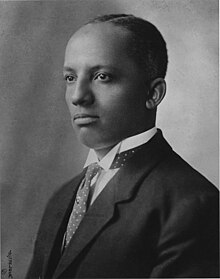
Carter Godwin Woodson (December 19, 1875 – April 3, 1950) was an American historian, author, journalist, and the founder of the Association for the Study of African American Life and History (ASALH). He was one of the first scholars to study the history of the Black African diaspora in the United States. A founder of The Journal of Negro History in 1916, Woodson has been called the “father of Black history.”
Woodson was an important figure to the movement of Afrocentrism, due to his perspective of placing people of Sub-Saharan African descent at the center of the study of history and the human experience.
Rather than seeking acceptance, Dr. Woodson chose independence — a decision that would define his life’s work.
Dr. Woodson was troubled by the direction that history was being taught. It was either denying or minimizing Black’s contributions to history; it was a deliberate use of power.
Woodson did not ask permission to tell the truth. He understood that history is not neutral — it reflects power, choice, and voice. By insisting that Black history be researched, taught, and respected, he changed not only what was known but who was allowed to know it.
Black History Month, at its best, is not a pause from the curriculum, but a challenge to expand it. That challenge began with Woodson — a scholar who refused to let history forget.
Woodson believed and stated, “It is not so much a Negro History Week as it is a History Week. We should emphasise not Negro History, but the Negro in History. What we need is not a history of selected races or nations, but the history of the world void of national bias, race hatred, and religious prejudice.”
Have we reached the goal that Dr. Carter G. Woodson desired?
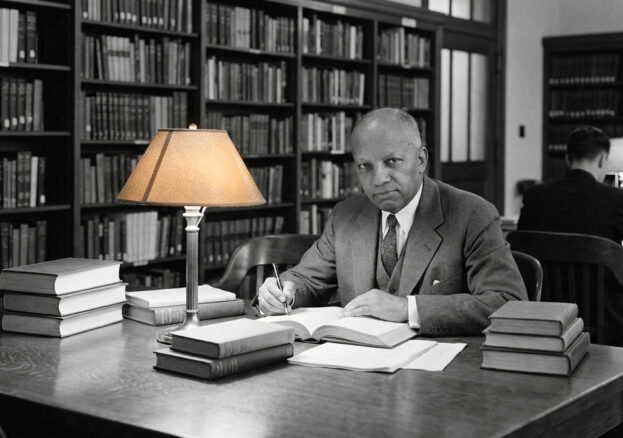
These are some of the takeaways from the article about Dr. Carter G Woodson. I thought they might be worth listing.
1. Dr. Carter G. Woodson is known as the father of Black History Month.
2. Dr. Woodson’s Work challenged mainstream narratives and promoted the study of Black history.
3. His legacy continues to influence how Black history is taught and understood.
References-
Carter Godwin Woodson – https://en.wikipedia.org/wiki/Carter_G._Woodson
Dr. Carter G. Woodson: The Historian Who Refused to Let History Forget – https://www.blackhistorymonth.org.uk/article/section/opinion/dr-carter-g-woodson-the-historian-who-refused-to-let-history-forget/
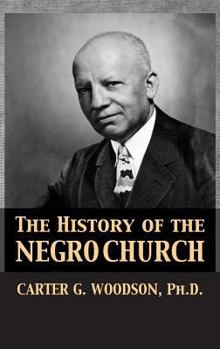
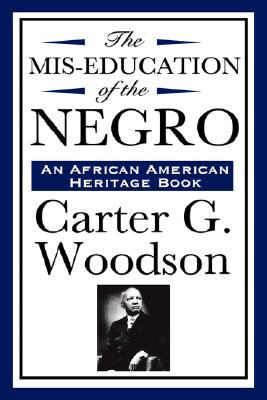
Woodson wrote 51 books, excluding contributions to anthologies. And 34 non-fiction books, 15 books in the Journal of Negro History Series, and 1 book in the Oshun Publishing African-American History Series.

Discover more from Darlene J. Harris
Subscribe to get the latest posts sent to your email.

Interesting article!
JAN Jan Whitaker GI-KI Goldens Cincinnati, Ohio gikigoldens@gmail.com web site: http://www.gikigoldens.com
LikeLike
Thank you Jan, I appreciate your comments and thanks do your visits!
LikeLike